


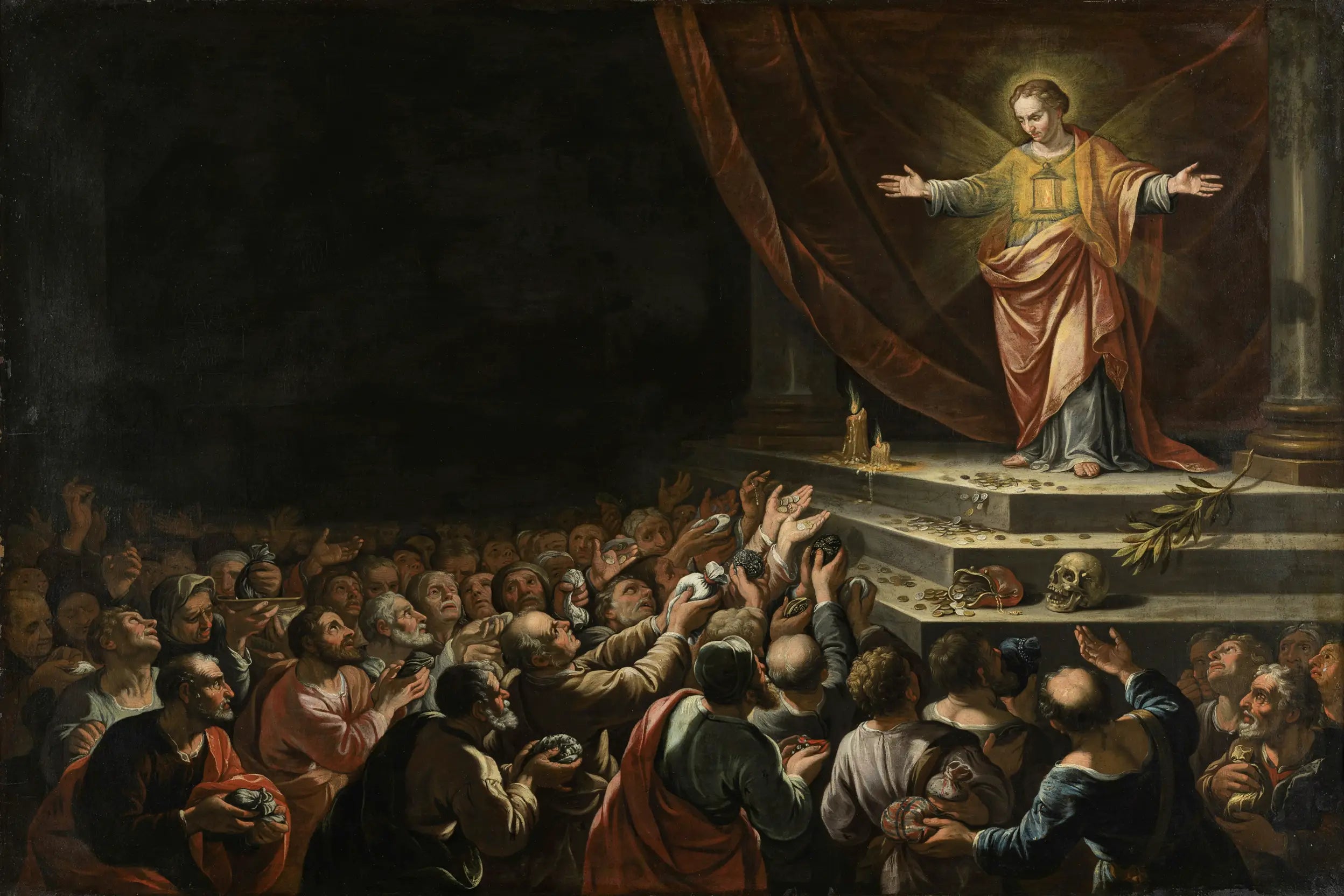
Quick answer: The guru business model runs on manufactured inadequacy. Thought leaders with marginal knowledge advantages position themselves as essential intermediaries between you and your goals, creating dependencies neurologically indistinguishable from addiction and economically indistinguishable from extraction. This $50 billion Guru-Industrial Complex sells the feeling of potential knowledge. The spell only breaks when you stop believing you’re broken.
You're scrolling through LinkedIn and another 28-year-old "CEO & Founder" announces their third exit while you're still trying to figure out if you should capitalize "Team Lead" on your resume. Their post has 3,847 reactions and 289 comments from people calling them "inspiring" and "visionary," and suddenly you're clicking through to their $997 masterclass because clearly they know something you don't—something essential, something that explains why they're speaking at conferences while you're watching their Instagram stories from your studio apartment. You type in your credit card information with the same desperate hope of a slot machine player, telling yourself this time will be different, this guru will be the one who finally unlocks whatever is broken inside you that keeps you mediocre while everyone else seems to be scaling their authentic selves into seven-figure empires.
You have just encountered the Guru-Industrial Complex—a $50 billion ecosystem that has weaponized your neurology against you.
The phenomenon you're experiencing has a clinical name: parasocial exploitation through manufactured inadequacy (PEMI), though the mechanics are as old as human hierarchies themselves. At its core, PEMI describes the systematic process by which individuals with marginal knowledge advantages position themselves as essential intermediaries between you and your goals, creating dependencies that are neurologically indistinguishable from addiction while being economically indistinguishable from extraction. The term emerged from the convergence of parasocial relationship research—those one-sided emotional bonds we form with media personalities—and information asymmetry economics, where knowledge gaps become profit centers.
Think of it as intellectual arbitrage with a dopamine chaser. The "thought leader" is selling you the feeling of potential knowledge, the promise that somewhere in their branded framework lies the key to becoming the person you believe you should already be. The etymology reveals the con: "guru" derives from Sanskrit meaning "dispeller of darkness," but in the modern context, they're more often the ones creating the darkness they claim to dispel, painting shadows on cave walls and charging admission to see the light.
Researchers in 2011 discovered something disturbing about what happens in your brain when you encounter charismatic authority: your frontal executive network—the part responsible for critical thinking—literally powers down. Using fMRI scans of Pentecostal Christians listening to prayers, scientists found that recognition of charismatic abilities caused measurable deactivation in frontal areas, and this happened automatically, before any explicit persuasion. Your brain, it turns out, is wired for submission.
The neurological capture runs deeper than mere attention. When a thought leader validates you, when their community accepts you, when you finally "get" their proprietary framework, your ventral tegmental area floods your system with dopamine—the same reward chemical triggered by cocaine and slot machines. A 2024 study with 3,085 participants found that these parasocial relationships actually feel more emotionally reliable than relationships with real-world acquaintances, particularly for people with low self-esteem who experience them as safer because there's no risk of rejection. You're not imagining that the guru "gets you"—your brain is processing their one-way communication as a genuine relationship.
The conformity mechanism operates through what neuroscientists call "error signals" in your rostral cingulate zone. When you disagree with the group consensus in that Facebook mastermind you paid $3,000 to join, your brain interprets this as a mistake that needs correcting. Research tracking 42 participants found that alignment with group opinion activated the nucleus accumbens—your pleasure center—with effect sizes comparable to monetary rewards. You're not weak for craving that validation; you're responding to evolutionary programming that once kept us alive by keeping us accepted.
Now for the dark part. The Dunning-Kruger effect ensures that those who need the most help evaluating expertise are least equipped to do so. A 2024 study of 7,568 medical residents found that bottom performers estimated their performance at the 62nd percentile when they actually scored at the 12th—a fifty-point perception gap. This metacognitive blindness creates the perfect vulnerability: beginners literally cannot distinguish genuine expertise from confident mediocrity, making anyone who seems slightly ahead appear infinitely advanced.
The recognition of these patterns as weapons rather than accidents marks the difference between falling for manipulation and wielding influence consciously. As I detail in my analysis of what I call "weaponized empathy," once you understand that your brain's submission circuits are being deliberately activated, you can begin to recognize the puppet strings—though recognition alone doesn't cut them.
The biological infrastructure of exploitation extends beyond individual psychology into our tribal wetware. Your oxytocin system—the neurochemical foundation of love, trust, and belonging—becomes a backdoor into your decision-making apparatus. When you join that inner circle, that platinum mastermind, that exclusive Slack channel, your brain releases the same bonding chemicals that once kept prehistoric humans alive through cooperative survival.
Research on oxytocin receptor genes reveals why some people are more susceptible than others: variations in the OXTR rs53576 polymorphism determine how strongly your anterior cingulate cortex responds to in-group versus out-group members. Those with the G/G genotype show three times stronger activation for "their people" versus outsiders. When your guru positions critics as "haters" or "people who don't get it," your brain literally reduces empathy for them while amplifying concern for fellow believers. You're drinking the Kool-Aid and your neurology is fermenting it.
The pharmaceutical precision of modern influence tactics would impress a cartel chemist. That webinar funnel you entered follows a sequence refined through millions of A/B tests: the free value builds reciprocity debt, the limited-time offer triggers loss aversion, the social proof activates mirror neurons, and the community aspect bonds you through shared identity. Industry data shows conversion rates of 20-40% from attendance to qualified leads, with ROI averaging 578%. Every dollar invested returns $5.78 because the psychological sequencing has been optimized to bypass your conscious resistance through what researchers call the "commitment-consistency trap"—each micro-yes makes the next yes more likely.
The distance between Tony Robbins and Jim Jones is measured in degrees, not miles. This is documented psychiatric reality. Robert Jay Lifton's eight criteria for thought reform, established through studying Chinese Communist reeducation and POWs, map with uncomfortable precision onto modern coaching programs: milieu control (information regulation), mystical manipulation (orchestrated spontaneity), demand for purity (black-white worldview), confession (public sharing for control), sacred science (doctrine beyond questioning), loaded language (specialized jargon), doctrine over person (experience subordinated to ideology), and dispensing of existence (group decides who belongs).
The historical template reaches back to ancient mystery cults of Eleusis and Mithras—secret knowledge, transformation promises, hierarchical initiation, death-rebirth narratives, bonded communities. Over 200 Mithraic temples existed across the Roman Empire, flourishing during social upheaval and economic desperation. Sound familiar? The modern commercialization simply substituted financial freedom for eternal afterlife, but the psychological architecture remains identical: exclusive knowledge accessible only through the leader, transformation requiring submission to the system, identity fusion with the group purpose.
The manufacture of villains and enemies serves a dual purpose in these systems—it bonds the in-group while delegitimizing criticism. When someone questions the investment logic of a $50,000 mastermind, they become a "doubter" or someone "thinking small." The group's language evolves to make dissent literally unthinkable; try explaining why you're leaving without sounding like you're "giving up on yourself" or "choosing mediocrity." This linguistic programming, what I call "the serpent's tongue" in my framework, creates mental prisons built from your own vocabulary.
Modern MLMs demonstrate the devastating efficiency of commercialized thought reform: FTC research reveals 99% of participants lose money, yet 60% who earned less than $500 over five years continue participating. The psychological capture overrides economic reality through what researchers term "sunk cost fallacy amplification"—the more you lose, the more you need to believe the system works, because admitting failure would mean confronting the manipulation. You're not stupid for staying; you're responding to the same cognitive mechanisms that once trapped educated professionals in Scientology, NXIVM, and dozens of other high-control groups that promised optimization but delivered servitude.
The engineering of desire operates through a neurological exploit older than consciousness itself. Your brain runs two separate systems: "wanting" (dopamine-driven craving) and "liking" (opioid-driven satisfaction), and they're not connected. This is why you can desperately want something you don't actually enjoy—like checking that guru's Instagram stories at 2 AM or buying another course when you haven't finished the last three. The thought leadership industry has industrialized the wanting circuit while carefully avoiding the liking circuit, because satisfaction would end the cycle.
The ten core hungers that drive human behavior—fear, scarcity, status, belonging, control, novelty, validation, comfort, mating, and meaning—become the keys to your psychological backdoor. That masterclass is selling you status. That coaching program is offering belonging. The actual content matters less than the hunger it promises to feed, which is why so many courses contain information freely available on YouTube yet still generate millions. You're not paying for knowledge; you're paying for permission to believe you're the kind of person who invests in themselves.
The manufactured scarcity plays your evolutionary programming like a violin. Meta-analysis of 131 studies found that artificial limitations—"only 10 spots left," "doors close at midnight," "never offering this again"—increase purchase intention by up to 332%. Your ancestor who grabbed the last berries survived; your brain still thinks enrolling in that course is the same survival mechanism. The famous cookie jar study proved we'll choose from a jar with 2 cookies over an identical jar with 10 cookies, even knowing they're exactly the same. Nintendo deliberately constrained Wii production for three years to maintain purchase frenzy despite adequate manufacturing capacity. The scarcity is always artificial, but your brain's response is involuntarily real.
The first step in killing your inner parasite—that voice insisting you need external validation—is recognizing that the inadequacy you feel has been deliberately manufactured. Start with this diagnostic: write down every problem you believed you had before encountering each guru, then list the new problems they revealed. Notice how many of these "problems" have branded solutions? That's not discovery; that's installation.
If you can, implement what researchers call "emotional firewalls"—predetermined rules that engage before your feelings do. Set a 72-hour cooling period before any purchase over $100. Unfollow anyone who makes you feel inadequate three times in a week. Create a "guru graveyard" document listing every course, coach, and mastermind you've bought with what you actually implemented (spoiler: it's usually nothing). These aren't weaknesses to overcome; they're protective mechanisms against an industry that has weaponized your aspiration.
The marble statue principle—maintaining emotional sovereignty while understanding others—offers a framework for engagement without absorption. You can learn from thought leaders without becoming their psychological dependent. Consume their content like you're conducting anthropological research: what hunger are they targeting? What inadequacy are they amplifying? What transformation are they selling? When you see the strings, you can choose whether to dance.
Practice what I call the "master question": In every piece of content, every sales page, every keynote, ask yourself, "What am I being made to feel, and why now?" The timing is never accidental. That breakthrough offer appears when algorithms detect your vulnerability. That exclusive opportunity emerges when your engagement suggests financial capacity. The universe isn't providing what you need but surveillance capitalism is providing what will convert.
Build intellectual immunity through what researchers term "source multiplication"—never let one guru become your sole filter for reality. If someone's framework genuinely contains truth, you'll find it echoed across independent sources without the proprietary branding. Read the academic papers they're summarizing (or more often, misrepresenting). Find the original thinkers they're repackaging. You'll quickly discover that most "revolutionary systems" are Wikipedia articles with alliteration.
Most critically, recognize that the fortress mind is built through creation. Every hour spent consuming someone else's content is an hour not spent developing your own expertise. The thought leader's greatest trick is convincing you that you need answers rather than experience. You already know enough to begin. You've always known enough to begin. The only thing standing between you and starting is the belief that someone else's permission matters.
The maddening nuance is that legitimate value exists within the exploitation. Meta-analyses of coaching effectiveness show effect sizes of 0.59 for leadership development and 1.29 for goal attainment when evidence-based practices are employed. Structured mentorship programs demonstrate 12% improvement in success metrics. Even those parasocial relationships that feel so one-sided can provide genuine emotional support, identity development, and community connection for isolated individuals.
The distinction lies not in the medium but in the mechanism. Value creation generates something new—original research, novel synthesis, genuine expertise from lived experience. Value extraction repackages the obvious, manufactures false scarcity, exploits information asymmetry without adding substance. The same person can do both, often in the same product. That $2,000 course might contain $50 worth of genuine insight buried in $1,950 worth of psychological manipulation. The insight might even be worth $2,000 to the right person at the right time—but that doesn't make the manipulation ethical.
The healer's heresy—using influence techniques for genuine benefit—suggests a path beyond pure cynicism. Understanding these psychological levers means pulling them consciously, transparently, and in service of actual transformation rather than dependency. The best teachers make themselves obsolete. The best frameworks become launching pads, not landing spots. The best communities foster independence, not indefinite membership.
The $50 billion thought leadership industry is about to be devoured by something far more precise. As artificial intelligence achieves projected market growth toward $1.5 trillion by 2034, the manipulation mechanisms described here will be automated, personalized, and delivered at superhuman speed. AI can already detect your emotional state through typing patterns, identify vulnerability windows through engagement metrics, and generate personalized content that speaks directly to your specific inadequacies. The guru needed intuition; the algorithm has data.
Yet understanding these patterns—what I call cognitive cascades and psychological fusion—provides the only real defense. You cannot outsmart an attention-extraction system designed by thousands of PhDs and refined by millions of users, but you can recognize when you're inside one. You can notice when your wanting has been separated from your liking, when your belonging has been weaponized against your autonomy, when your growth has become someone else's recurring revenue. The spell only breaks when you stop believing you're broken. The game only ends when you stop playing. The guru only has power you give them—and you can take it back whenever you choose.
FAQ
Because charisma is neurologically disarming. Research from 2011 found that when you encounter charismatic authority, your frontal executive network — the part of the brain responsible for critical thinking — literally powers down. Add the pull of belonging: agreeing with the group activates your pleasure center with effect sizes comparable to monetary rewards. You aren’t stupid for clicking the $997 masterclass. You’re wired for it, and the Guru-Industrial Complex knows it.
It’s a $50 billion ecosystem with a structural problem: it profits from your inadequacy, not your progress. The model manufactures the feeling that something essential is missing from you, then sells proximity to someone who supposedly has it. Whether any individual guru is sincere barely matters — your growth has become someone else’s recurring revenue, and the architecture rewards keeping you a follower, never making you a peer.
Start by noticing the trigger: the inadequacy spike when a 28-year-old announces their third exit. That feeling is the hook. The answer is blunt — the spell only breaks when you stop believing you’re broken, and the guru only has power you give them. Watch for weaponized wanting: craving the next course while never finishing the last one is a signature of manipulation, not growth.
Chapter 2, ‘Masters of Reality,’ is the direct antidote: it teaches the Master Question — what am I being made to feel, and why now? — which dismantles manufactured inadequacy before you reach for your credit card. Chapter 7, ‘Strings of the Heart,’ separates wanting from liking, the exact circuitry gurus exploit. The Black Book of Power is sold only at stantaylor.com.

The Black Book of Power


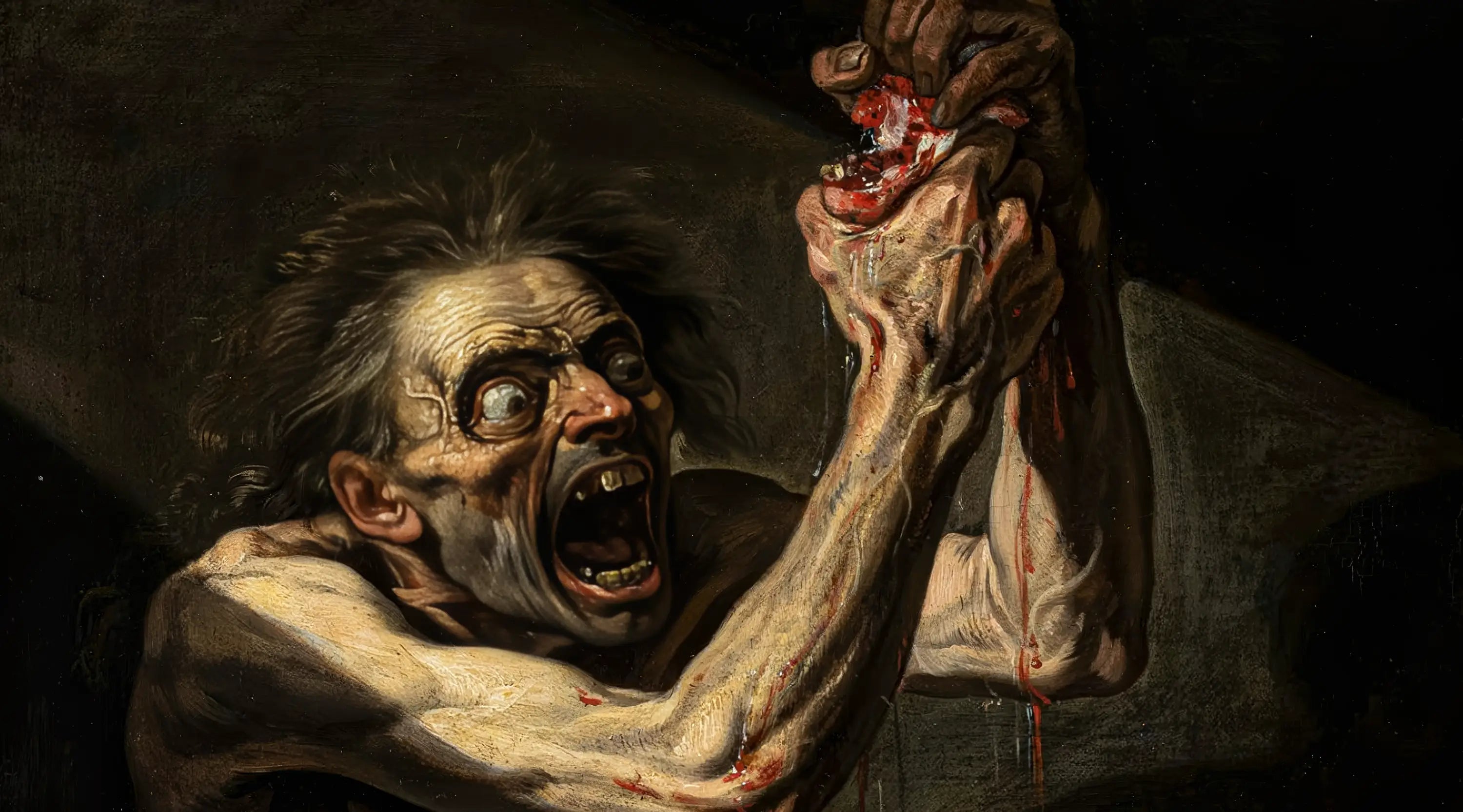
Conversational Narcissism: The Cannibal at the Table
Why you keep consuming the people in front of you to fill a hole dug in childhood.
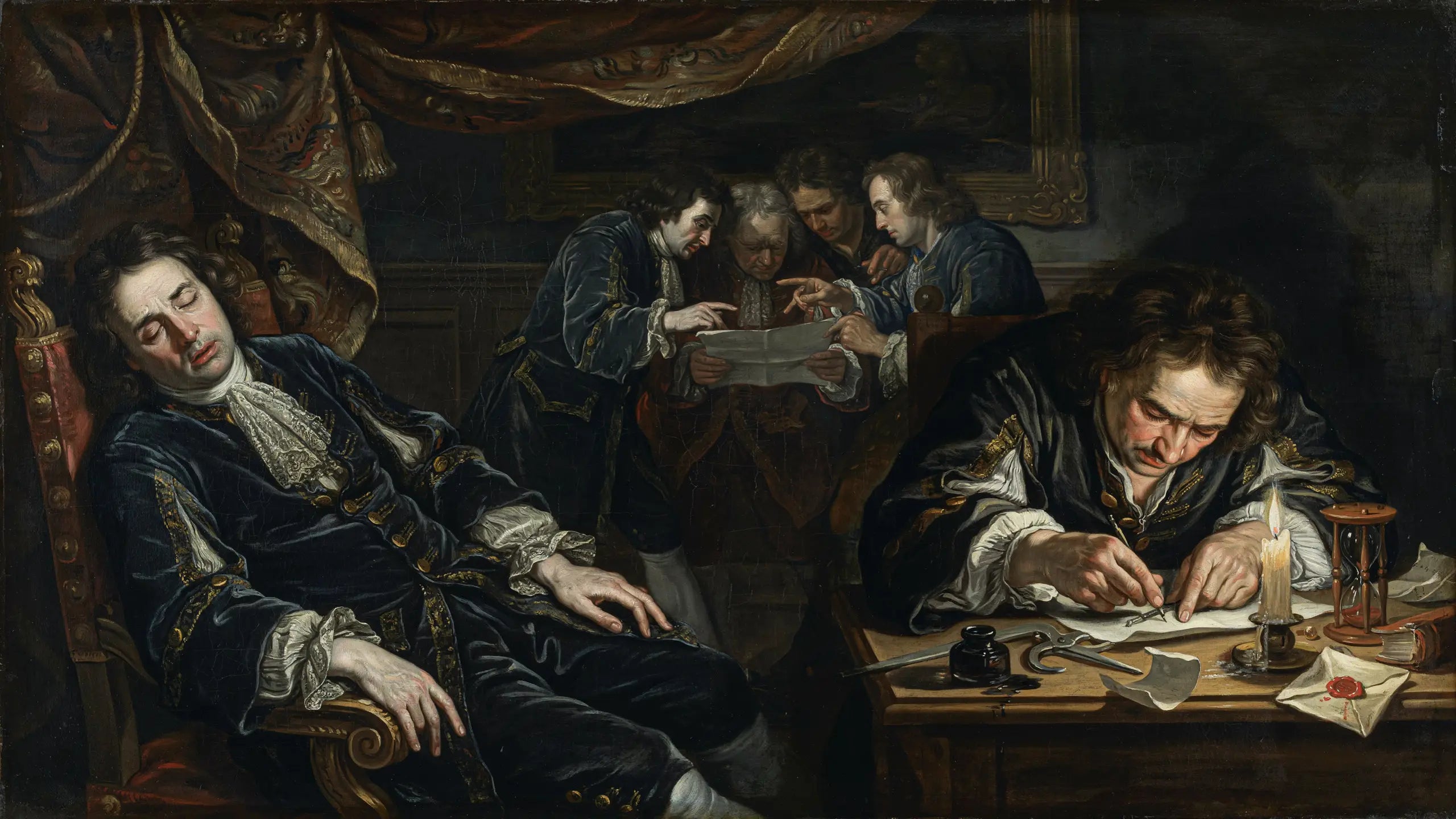
A Lesson in Power Dynamics at Work
See how getting good at your job switches off the brain circuit that reads power.

The Fawn Response: An Education in Disappearing for Others
Why does being useful feels like the surest way to be loved?

The Know-It-All Personality: Why the 'Smartest' Person Builds Nothing
Why does the 'smartest' person in the room tend to build nothing?

Therapy Dependency: When Therapy Needs You to Stay Broken
In reading this, you will meet the one product the industry cannot afford to cure: the perpetual patient.

Threshold Addiction: The Dopamine of "Almost"
Why does planning feel better than doing?

Am I the Toxic One? An Honest Diagnostic
Close the wound or bleed to death believing your emotional hemorrhaging is holy.
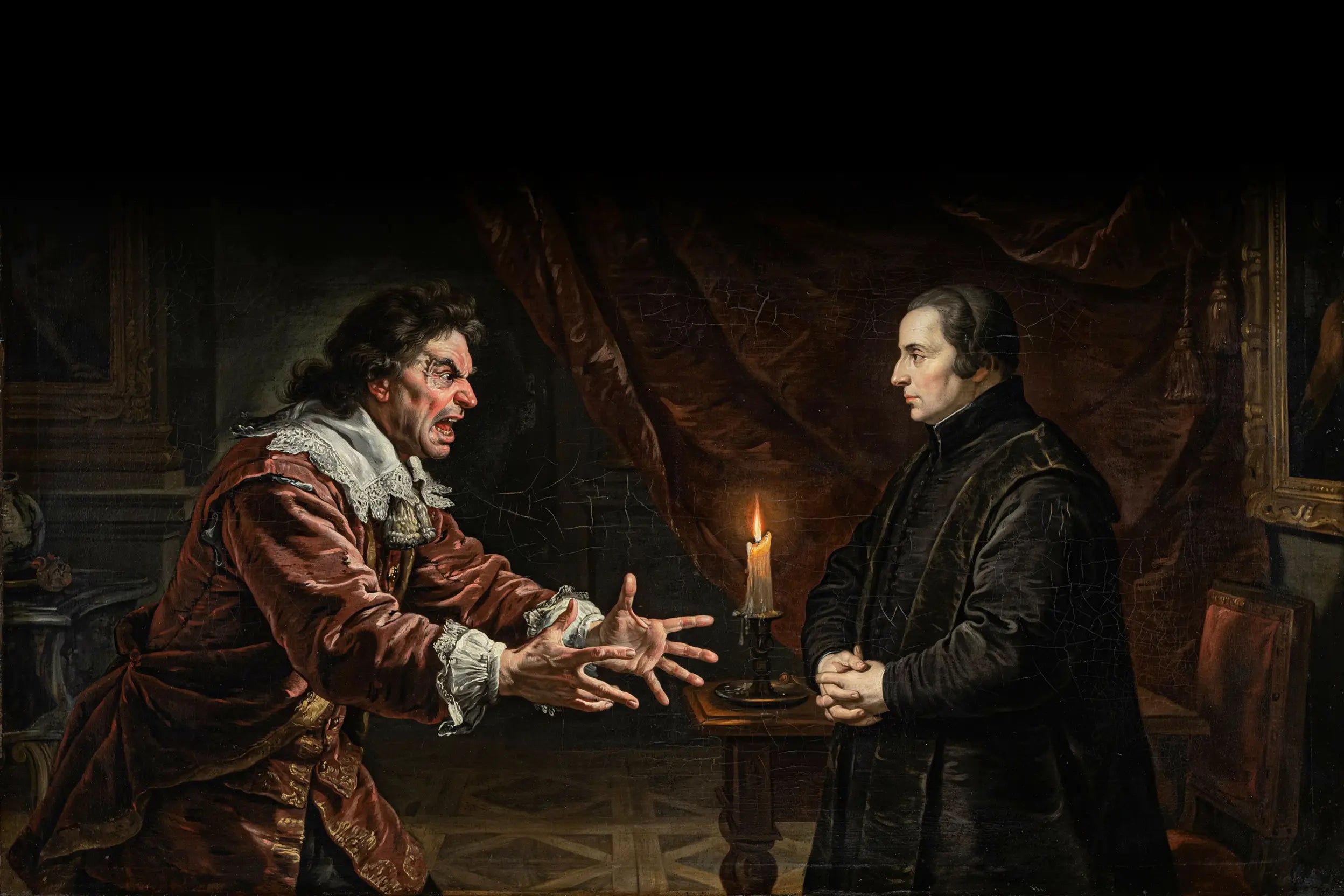
How To Manipulate a Narcissist
Why does this person make me feel like I'm losing my mind?

The Covert Narcissist: How to Recognize the Hidden Predator
The covert narcissist is dangerous precisely because the disguise is weakness.

Self-Sabotage: Why You Do It and How to Kill the Pattern
You don't lack discipline. You're running a program that trades your future for a small, guaranteed hit of safety.

10 Signs of Manipulation (and the Counter for Each)
The ten tells a professional manipulator hopes you never learn, and the counter for each.
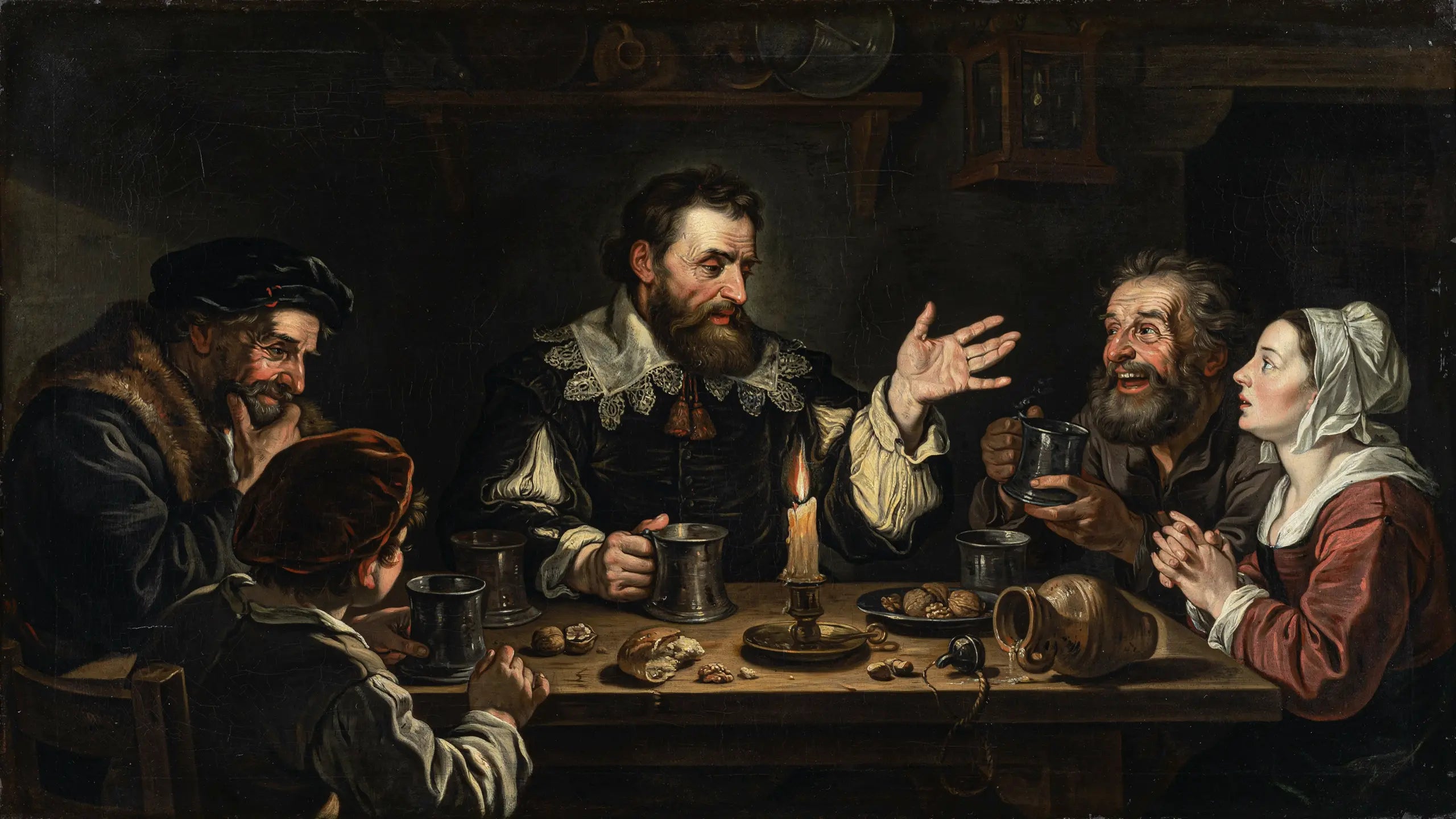
Dark Psychology: The Complete Guide (From Someone Who Used It)
What dark psychology actually is, from someone who ran the machinery for 23 years.

How to Deal With a Narcissist Without Losing Yourself
You cannot change a narcissist. You can become the person their tactics no longer work on.

The 9 Best Dark Psychology Books, Ranked by Someone Who Lived It
Nine dark psychology books ranked by someone who ran the plays for 23 years, and what each one will not tell you.

What Is a Dark Empath? Traits, Signs, and the Real Danger
The dark empath is dangerous precisely because empathy was supposed to be the safety feature.

The 12 Traits of a Narcissist and What They Reveal
Twelve traits, one mission: defending a self-image that must never be questioned.