


Quick answer: A dark empath is someone who scores high on the dark triad traits (narcissism, Machiavellianism, psychopathy) yet also has above-average empathy, especially the cognitive kind. They read your feelings accurately, then use that reading to influence, guilt, or diminish you. Their empathy is the camouflage, not the safeguard.
You told this person one thing you had never told anyone. A small, unglamorous fear. They held your eyes while you said it, nodded at the right moments, finished the sentence you could not finish. You walked away lighter. Finally, someone who actually gets you.
Months later the same sentence comes back as a scalpel, produced at the moment you are trying to hold your ground, angled so the room hears your softest place described in your own words. How does he always know exactly where to press? He knows because you showed him. The understanding was real. That was never the question. The question was what it was for.
You have just met a dark empath, the personality profile that turns your best evidence about a person, their apparent warmth, into the thing that hides the danger.
A dark empath combines the manipulative, self-serving core of the dark triad first named by Paulhus and Williams in 2002, narcissism, Machiavellianism, and psychopathy, with a level of empathy most predators do not have. Paulhus and Williams studied 245 undergraduates and found the three traits overlapping but distinct, intercorrelated from .25 to .50, sharing one thing: low agreeableness. For two decades the assumption was that darkness and empathy were opposites. A large 2024 study in the Journal of Individual Differences placed them 180 degrees apart in psychological space. The dark empath is the exception that ruins the map.
The word empathy is younger than it feels. It entered English in 1908, coined by Edward Titchener to translate the German Einfuhlung, a feeling-into, itself reaching back to the Greek empatheia. It began as a term in art appreciation, describing how a viewer projects themselves into an object. That origin matters because empathy was never defined as goodness but as the act of getting inside something. Whether you get inside to help or to hunt is a separate question, and it is the whole question here.
The phrase entered psychology in 2021, when a team at Nottingham Trent University led by Nadja Heym published "The Dark Empath" in Personality and Individual Differences. Researchers surveyed 991 people and let the data cluster itself rather than forcing the old categories. Four groups fell out. The traditional dark triad, high in dark traits and low in empathy, made up about 13 percent. Ordinary empaths made up 33 percent. Typicals, average across the board, made up 34 percent. And a fourth group, high in dark traits and high in empathy, made up 20 percent. One in five. The researchers named them dark empaths.
What made the finding land was the behavior. Writing in The Conversation, Heym and Alexander Sumich explained that dark empaths were more aggressive than typicals and ordinary empaths, but that their aggression ran along indirect channels: social exclusion, guilt induction, malicious jokes at your expense. They were also the most extraverted group and slightly higher in neuroticism. The empathy refined the darkness. It gave darkness manners and a delivery system.
To see how one person holds both traits, split empathy in two. Cognitive empathy is knowing what you feel, an accurate map of your inner state. Affective empathy is catching what you feel, the involuntary flinch when you flinch. They are not one faculty. Brain-imaging work finds a clear dissociation between the two, with cognitive empathy leaning on cortical regions (orbitofrontal and anterior cingulate) and affective empathy drawing on deeper subcortical structures. Different wiring, different switches.
The dark empath keeps the cognitive channel wide open and the affective one turned down. They know precisely where it hurts without being hurt alongside you, exactly the combination a manipulator would design if manipulation were an engineering problem. A study in Social Cognitive and Affective Neuroscience in 2012 found that people whose cognitive empathy outweighs their affective empathy report higher impulsivity and anger-related aggression, a relationship invisible when you treat empathy as a single number. The balance is the tell.
Dark empathy is empathy with the safety off. The scope still works. What has been disconnected is the recoil, the part of you that would normally feel the shot you fire.
No single behavior confirms a dark empath. The profile shows up as a pattern, and the pattern is easier to name once you know the five moving parts. These are traits to watch for.
The attunement is uncanny and genuine. They clock the microexpression, the pause, the thing you were not going to mention. Early on this feels like being finally seen. The signal to notice is the archive: an ordinary friend forgets your throwaway confessions, while this person files them, retrievable at the exact moment they can be used.
Their kindness is fluent until kindness requires a sacrifice. Then the temperature drops without the words changing. Researchers describe this as intact cognitive empathy running alongside muted affective empathy. They can narrate your pain perfectly and remain unbothered by it, which is why the coldness always feels like it came out of nowhere. It was always there under the fluency.
They rarely raise a voice. The 2021 study found dark empaths favored indirect aggression, and the choice is tactical. A guilt trip, a strategic exclusion, a joke that lands like a slap and is defended as a joke, all leave you unable to point at a wound. You end up apologizing for reacting, and that inversion is the signature.
Because the empathy makes them socially smooth, dark empaths tend not to leave the obvious wreckage a blunt narcissist leaves. Researchers note they tend to appear normal, so those around them register only a vague sense that something is off. Trust that sense. The lag between your body's alarm and your mind's explanation is the profile working as designed.
Empathy in a dark empath behaves less like a temperature and more like a tool, taken out when useful. The neuroscience gives this a mechanism. When brain researchers scanned 18 psychopathic offenders against 26 controls, they found reduced spontaneous but relatively normal deliberate empathy: the empathic brain response was flat during passive watching but rose close to normal the moment they were told to empathize. An empathy switch. In the dark empath it is wired to advantage.
A classic narcissist is loud, and loudness is a warning label; handling an overt narcissist is hard, but you can at least see the threat. A dark empath is calibrated, and calibration is invisible. The second is more dangerous through better instruments. Emotional skill is an amplifier, and it amplifies whatever is behind it. A workplace study, the "Jekyll and Hyde of emotional intelligence", found that knowing how to read and regulate emotions strengthened the link between Machiavellianism and interpersonal deviance. The same knowledge made kind people kinder and calculating people more effective at harm. Skill has no ethics of its own.
Cognitive empathy specifically is what lets Machiavellians and psychopaths do indirect damage. In a 2019 study of 301 people, Heym's group found that one cognitive-empathy facet partially mediated the path from those dark traits to indirect relational aggression. The empathy was the road the aggression traveled on. This is what the wider field of dark psychology exists to teach: the most dangerous techniques borrow the costume of a virtue.
It helps to line up three profiles that get confused. The classic narcissist is the familiar dark-triad type. The dark empath is the calibrated version. The third is the one the noise leaves out: the sovereign empath, what Stan Taylor calls the Marble Statue, a person who perceives everything and weaponizes nothing.
| Dimension | Dark empath | Narcissist (classic dark triad) | Sovereign empath (the Marble Statue) |
|---|---|---|---|
| Cognitive empathy (reading you) | High and precise | Low to moderate, self-focused | High and precise |
| Affective empathy (feeling with you) | Muted, switched on when useful | Low or absent | Present but under sovereign control |
| Aggression style | Indirect: guilt, exclusion, cutting humor | Overt: rage, entitlement, open devaluation | None; perception without predation |
| Why they are hard to spot | Empathy is the camouflage | Usually easy to spot over time | Not hiding anything |
| What the empathy is for | Leverage and advantage | Supply and admiration | Understanding, then chosen restraint |
| The ethical switch | Wired to self-interest | Largely absent | Consciously held |
The line separating column one from column three is not talent. Both read you flawlessly. Read across the last row instead: the difference is a governor on the machine, a decision about what to do with what you can see.
Yes, and the danger is quieter than the internet suggests. Dark empaths are, on average, less aggressive than full dark-triad types; their empathy restrains the raw expression of harm. The threat is concealment, not volume. Because they pass as warm, the people closest to them absorb a slow accumulation of guilt and self-doubt without ever collecting a clean grievance, which is why targets so often discover the pattern only in the rearview mirror. Recognizing it in real time is the same skill you would use to read the signs someone is manipulating you, applied to a person who is very good at seeming safe.
This is the "however" the topic needs. Emotional skill is not destiny. A 2024 latent-profile study of 231 managers found the most emotionally able group was actually less Machiavellian, not more, putting their perception in the service of others as often as themselves. High empathy does not force predation. It only makes it possible. What decides the outcome is the thing beneath the skill.
Change is possible in principle and rare in practice, because the profile is self-rewarding and low in the distress that usually drives people to change. But the direction of change is where the book's argument lives. Taylor's answer is not to dull your perception, which only leaves you easier to hunt. It is to keep the scope and install the governor. His 21-Day Empathy Protocol trains complete perception without predation: read the microexpression, map the emotion, feel the pull to use it, and then choose not to. He calls the final instrument the Philosopher's Compass, a written ethical constitution you consult before acting. The dark empath and the sovereign empath run identical hardware. The only difference is that one of them decided, in advance and in writing, where the line is.
That reframes the problem. Empathy is not the weakness here, and callousness is not the strength. The variable is sovereignty: whether you can read another person cleanly while remaining uncolonized by their feelings. Which is, uncomfortably, the question this article turns back on you.
A caution about how this knowledge can curdle. The phrase dark empath is now stuck on any ex who understood you and hurt you anyway. Not everyone perceptive is predatory. Most people who read you well are simply paying attention, and reaching for a clinical-sounding label to explain a painful relationship can become its own small manipulation, of yourself. Hold the pattern loosely and watch for the whole profile, not one bad afternoon.
And then turn the lens around, because the real warning is not only about them. You possess the same two channels, the reading and the feeling, and every day you decide, usually without noticing, what to do with what you perceive about the people around you. This is why the question of whether empathy itself can turn toxic is the wrong one; the trait is neutral, only its governor is not. The dark empath is not a separate species. It is what any of us becomes when perception is kept and conscience is quietly switched off. The book's argument, in the end, is that true empathy requires complete emotional sovereignty: see everything, be governed by no one, hold the line yourself. The scope is not the problem. The safety is up to you.
FAQ
A dark empath pairs dark-triad traits with above-average empathy, especially the cognitive kind that reads people accurately. Recognize one by pattern: attunement that gets archived and reused, warmth that turns cold when it costs them, indirect aggression like guilt and exclusion, and a wrongness you feel before you can name it.
A classic narcissist tends toward low empathy and overt aggression: rage, entitlement, open devaluation that eventually gives them away. A dark empath keeps high cognitive empathy and mutes the emotional side, so aggression stays indirect and deniable. Same self-serving core, better instruments, and far harder to spot.
Yes, though quietly. They are less overtly aggressive than full dark-triad types, because empathy restrains raw harm. The danger is concealment: they pass as warm, so the people nearest them accumulate guilt and self-doubt without ever collecting a clean grievance. The damage compounds because it never announces itself.
In principle yes, in practice rarely, because the profile is self-rewarding and low in the distress that motivates change. Emotional skill is not destiny; some highly empathic people are markedly less manipulative, not more. Change means keeping the perception but installing a deliberate ethical governor over how it gets used.
They separate knowing from caring. Cognitive empathy maps your fears and soft spots precisely, and that map becomes leverage: the timed guilt trip, the confession quoted back as a weapon, the exact reassurance that keeps you compliant. Studies find this cognitive-empathy facet is what carries dark-trait harm into indirect aggression.
Neither, on its own. Empathy is a capability that takes the ethics of whoever holds it; the same skill makes kind people kinder and calculating people more effective. It becomes a weakness only when it colonizes you, leaving you easy to steer, and a strength when you perceive completely while keeping sovereign control.

The Black Book of Power

Conversational Narcissism: The Cannibal at the Table
Why you keep consuming the people in front of you to fill a hole dug in childhood.
A Lesson in Power Dynamics at Work
See how getting good at your job switches off the brain circuit that reads power.
The Fawn Response: An Education in Disappearing for Others
Why does being useful feels like the surest way to be loved?
The Know-It-All Personality: Why the 'Smartest' Person Builds Nothing
Why does the 'smartest' person in the room tend to build nothing?
Therapy Dependency: When Therapy Needs You to Stay Broken
In reading this, you will meet the one product the industry cannot afford to cure: the perpetual patient.

Threshold Addiction: The Dopamine of "Almost"
Why does planning feel better than doing?
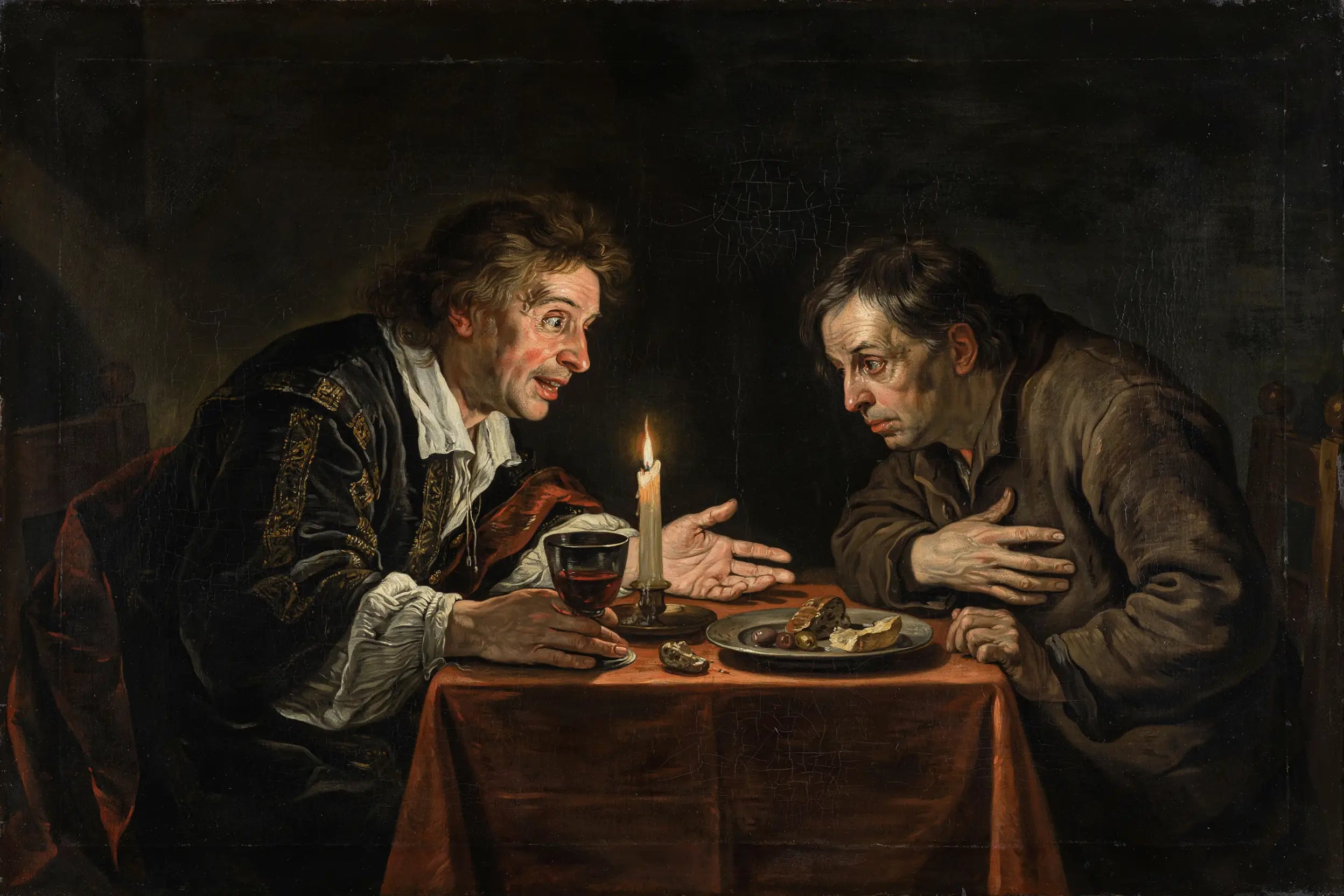
Am I the Toxic One? An Honest Diagnostic
Close the wound or bleed to death believing your emotional hemorrhaging is holy.
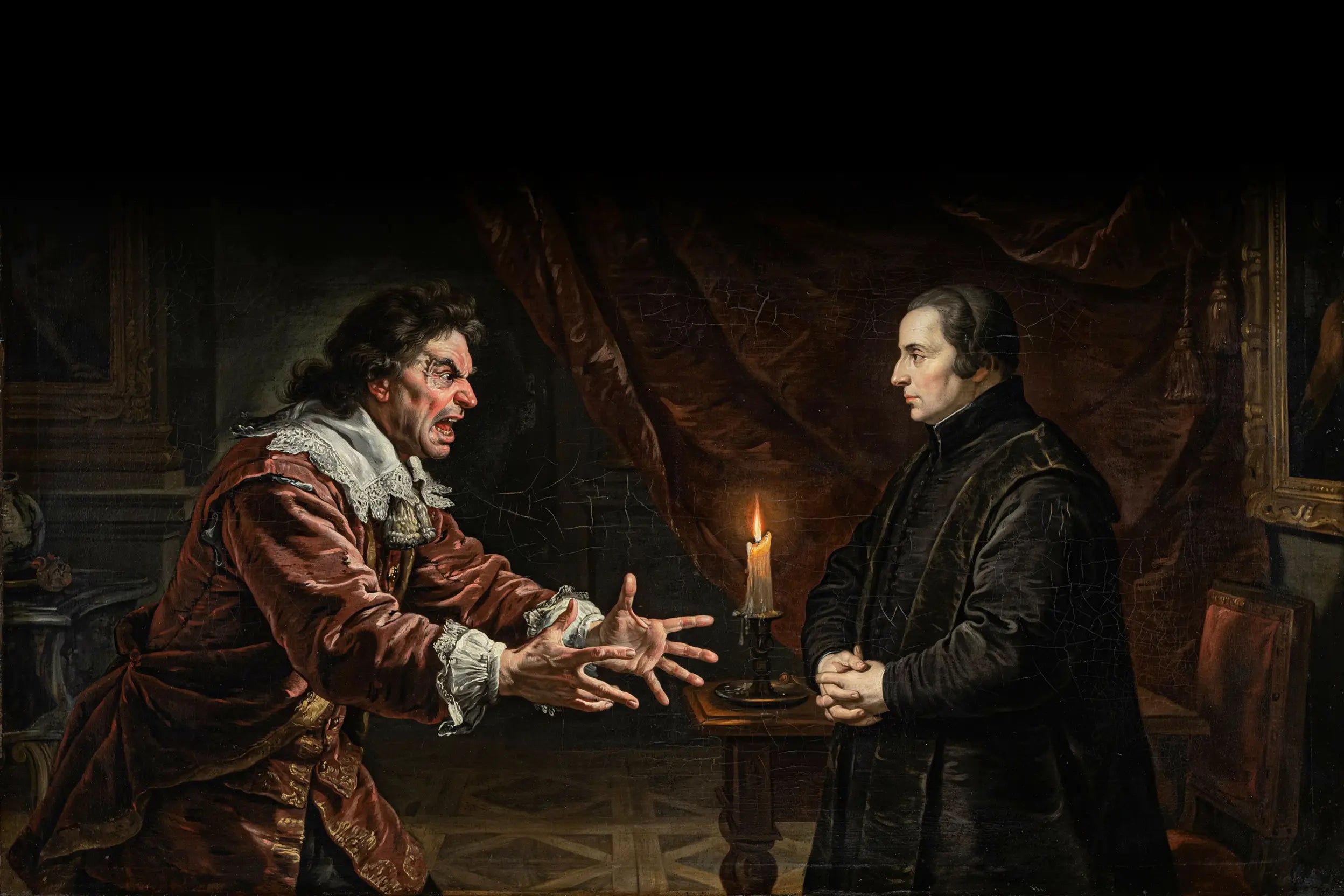
How To Manipulate a Narcissist
Why does this person make me feel like I'm losing my mind?
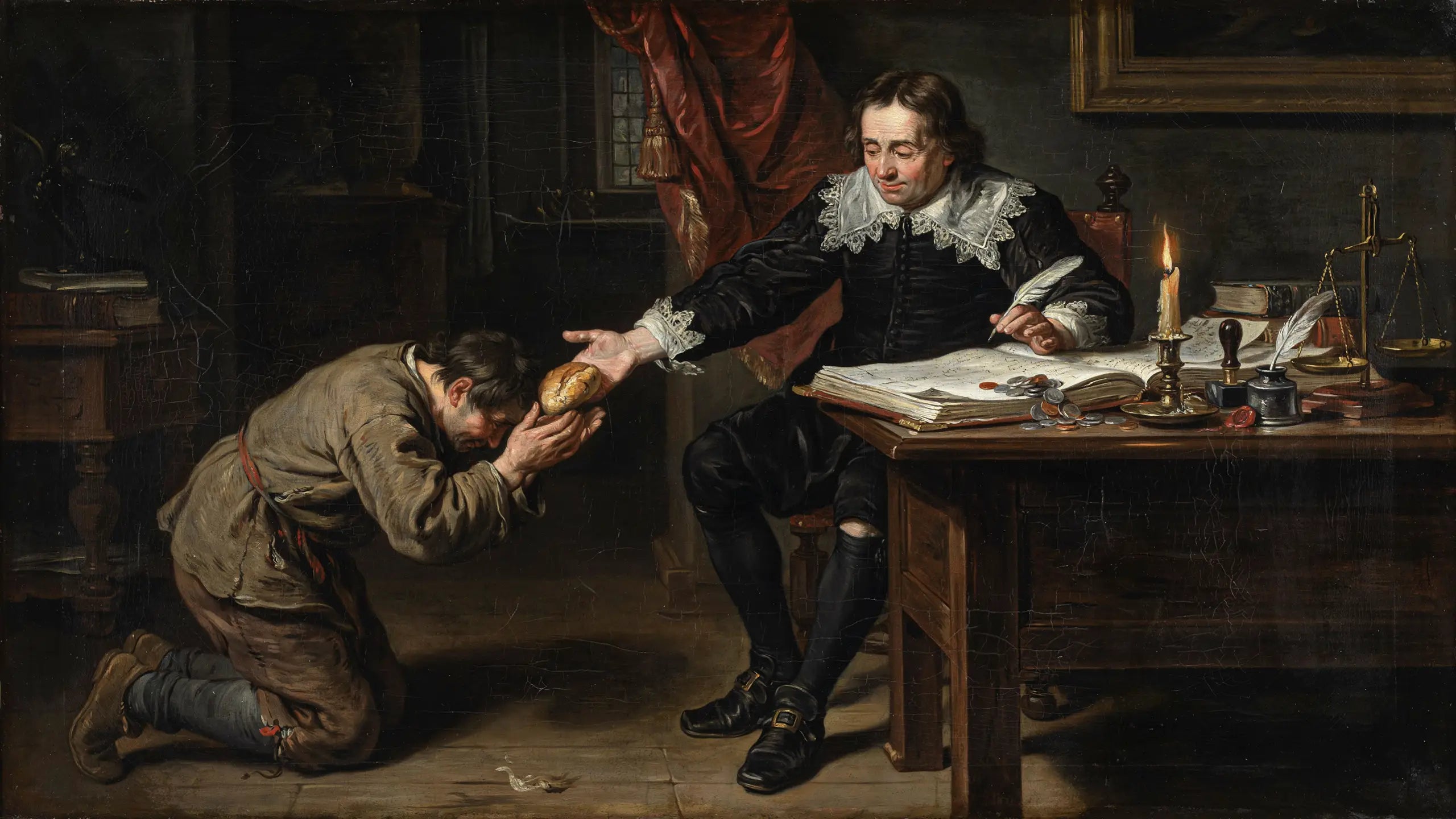
The Covert Narcissist: How to Recognize the Hidden Predator
The covert narcissist is dangerous precisely because the disguise is weakness.
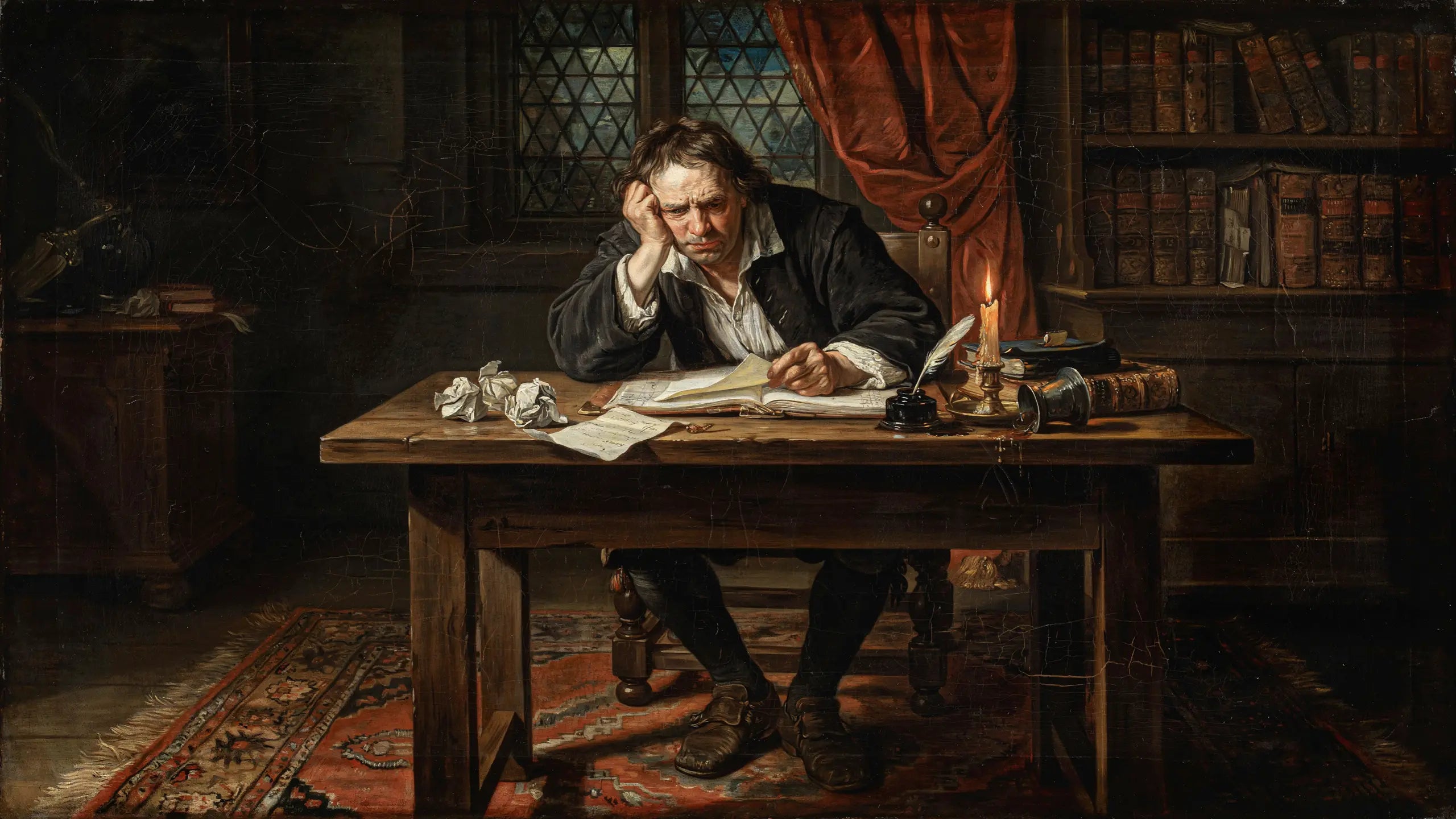
Self-Sabotage: Why You Do It and How to Kill the Pattern
You don't lack discipline. You're running a program that trades your future for a small, guaranteed hit of safety.
10 Signs of Manipulation (and the Counter for Each)
The ten tells a professional manipulator hopes you never learn, and the counter for each.
Dark Psychology: The Complete Guide (From Someone Who Used It)
What dark psychology actually is, from someone who ran the machinery for 23 years.

How to Deal With a Narcissist Without Losing Yourself
You cannot change a narcissist. You can become the person their tactics no longer work on.
The 9 Best Dark Psychology Books, Ranked by Someone Who Lived It
Nine dark psychology books ranked by someone who ran the plays for 23 years, and what each one will not tell you.
What Is a Dark Empath? Traits, Signs, and the Real Danger
The dark empath is dangerous precisely because empathy was supposed to be the safety feature.

The 12 Traits of a Narcissist and What They Reveal
Twelve traits, one mission: defending a self-image that must never be questioned.