


Quick answer: The know-it-all builds nothing because the compulsion to display knowledge is a status reflex, not intelligence. The interruption—the shift response Charles Derber identified—feels like helpfulness but is really fear. Practicing knowing makes you a knower: fluent, decorated, and unbuilt. Real power comes from the exposed beginner’s labor of actually executing, not narrating what you already know.
The other person has not finished talking and your hand has already moved half an inch off the table, breath drawn in through the nose to fuel the sentence you are about to lay over the top of theirs.
There is a warm pressure behind the breastbone, low and exact, and a lifetime has taught you it goes the instant you say the thing you know. So you say it. You say it well, you always do. A nod comes back, perhaps a small laugh, the pressure drains, and you settle into the chair a quarter-inch taller than you sat a moment ago. The talk moves on. You helped. You file the evening, if you file it at all, alongside every other on which you were the most informed body in the room.
The hand left the table before you had a vote in it. The lungs filled. The first consonant was forming at the back of the throat while the other person was still three words short of their point, which means the move belonged to something faster and older than the self that takes the credit afterward. Afterward you file it under helpfulness. What you could not sit still under, for the length of one more sentence, was a fact you also owned arriving in the room under somebody else's name.
You have just made a withdrawal from an account you never paid into. The withdrawals feel like wealth and the account stays at zero, which is how the most well-read, articulate, genuinely clever people you know turn out, on inspection, to have built almost nothing.
The reflex has a name, and the name does you no favors. In the late 1970s the sociologist Charles Derber sat in on hundreds of ordinary conversations and counted who took the floor and how. He found people competing for attention while performing the manners of sharing it, and he split the moves in two. The support response keeps the light on the speaker: "what was that like?" The shift response drags it back onto you: "that reminds me of when I." One feeds the other person. One feeds you. Derber called the standing preference for the second conversational narcissism, and noted that the people who do it most would be insulted to hear it named, because they experience the interruption as warmth.
Do it for an evening and the word narcissist starts to feel like the wrong charge for what you are. You are frightened. The shift response is the tic that makes a person read as a know-it-all, and the giveaway is that you cannot stop. You cannot let the fact go by unclaimed. You cannot watch another adult walk toward a conclusion you already hold without sprinting ahead to plant your flag on it. Vanity could afford to wait, since vanity is calm. What you do instead is pat your jacket every few minutes to confirm the wallet is still there, and each interruption is another pat. The interruption is a margin call on an asset you privately suspect is forged.
That suspicion is the thread. Everything else hangs from it.
Social science worked this out half a century ago, in a finding almost entirely missing from the literature on insufferable colleagues. It is called symbolic self-completion theory, built by Robert Wicklund and Peter Gollwitzer on the older foundations of Kurt Lewin. Commit to an identity that defines you, lawyer, intellectual, serious mind, expert, and you reach for the symbols a watching world accepts as proof: the degree on the wall, the title in the signature, the paper with your name on it, and the offhand display of fluency at dinner. The symbols are interchangeable, and displaying one registers, in the mind of the person displaying it, as having become the thing. Collect enough and the drive toward the real version goes slack, because some clerk in the skull has already stamped the goal as met.
Gollwitzer proved it the hard way. In a set of experiments published as When Intentions Go Public, he and his colleagues took people committed to an identity, becoming a lawyer by reading law journals, for one, and let some of them be noticed for the intention while the rest kept it to themselves. The ones who were seen, who got the small social receipt of being recognised as a person who does this, went on to work less hard at the actual reading. The recognition handed them a premature sense of already being the thing. They had been paid, so they downed tools. The effect ran hardest in the people who cared most. The more an identity matters to you, the more cheaply a single nod buys off your will to earn it.
You live inside that finding. Every correction, well-timed fact, and "actually, the original Greek is," is a symbol of the identity "person who knows," handed to an audience, stamped, and banked. You stockpile knowledge to spend it on applause, and the spending is the loss. Each night you draw down a little more of the exact thing you believe you are accumulating, and walk to the car feeling wealthier for the withdrawal. What grows in its place is phantom competence, a vivid and sincere and neurologically subsidised sense of being capable, expanding in exact inverse proportion to anything you have built.
Calling it a love of learning is generous. What runs underneath is closer to an addiction, and the chemistry backs the harsher word. Across a decade of research on information-seeking the finding has hardened into something close to law: the brain values information for its own sake and pays for it in the same currency it spends on food and money. In monkeys, the same midbrain dopamine neurons that fire for the size of a coming juice reward also fire for the promise of advance information, pricing "knowing sooner" as a treat in itself. People will take an electric shock to satisfy a pointless curiosity, the caudate and nucleus accumbens lighting up as they choose to learn what they could have left alone. Show someone a magic trick and the itch to know the method registers in the reward circuitry the way an empty stomach registers lunch. Display pays better still, because it adds the audience that closes the circuit and marks you complete. You have found the highest-margin trade a nervous system can run: maximum reward, almost no exposure, no chance of being caught short, because you never set the knowledge down anywhere it can be tested.
Ask yourself how well you understand a flush toilet, or zipper, or even a bicycle, on a scale of one to seven. Then write out the actual causal chain, step by step, and watch the number fall through the floor as the page fills. Leonid Rozenblit and Frank Keil called this the illusion of explanatory depth, and it bites hardest on exactly the mechanistic, how-does-this-work knowledge you take to be your home turf. The sensation of understanding runs miles ahead of the understanding, and it runs loudest in the confident. When Stav Atir, Emily Rosenzweig and David Dunning measured overclaiming, the trick of asserting familiarity with things that do not exist, the people surest to claim knowledge of invented financial terms, fictional places, and made-up biology were the ones who rated their own expertise highest. Ninety-three percent claimed knowledge of at least one term that had never existed. Warned in advance that some were fake, the self-styled experts overclaimed anyway.
The later work is worse. The same group found that a single introductory course made people overclaim more: one semester of finance, and students were more confident about bogus finance terms than a control group who had taken nothing. Education, the engine you trust, inflated the certainty faster than the competence. This is the illusion squared. The remedy you reach for whenever you feel a gap, learn more, is the thing that widens the distance between what you know and what you think you know. You are bailing the boat with a sieve and admiring how wet your hands get.
The blindness carries a cost you never see coming, which is that it makes you easy to move. Anyone who studies how influence and manipulation actually work arrives at the same unglamorous fact, that the person surest he cannot be played is already several moves deep in someone else's game, since the certainty is the handle. Your self-perceived expertise is the grip they take to carry you off, and you mistook it for armor.
The loop survives every humiliation because the reward arrives at the wrong end of the work. It pays on contact, the instant the fact lands, long before any effort is risked. The dopamine machinery of the midbrain and the striatum, the caudate and ventral striatum, those buried structures that learn what is worth chasing, treats knowing about a thing and doing it as the same event and books the hit on arrival. The Black Book of Power names the split the brain skips over, the gap between the wanting system and the liking system, the dopamine of the chase against the opioid calm of the catch. You live almost entirely in the chase. You are in a permanent posture of approach, forever closing on a mastery you will never have to consummate, and the approach pays so cleanly that arrival starts to look like a sucker's price. Why finish, and be judged on the finished thing, when the closing-in feels this good and costs this little?
This is why every well-meant instruction to be humble bounces off you like a coin off a window. Ask a know-it-all for humility and you are asking a man to take a pay cut for reasons he cannot see. The behaviour is a reward system in perfect working order, doing the one thing such systems do, repeating whatever paid last time. A better argument has nothing to grip. You do not reason a man off a slot machine while it is still paying out.
You do, now and then, approach the real thing. The document is open and the cursor is blinking, the gym bag is by the door, the business plan and the half-built spreadsheet are waiting. And in the planning of it, the talking of it, the research for it, you receive a sensation almost identical to having done it. You tell three people about the project and feel the warmth come back across the table. The public intention, as Gollwitzer's experiments show, collects you a premature sense of completion that drains the effort before you lift a finger. You mistake the rehearsal for the show. You have executed in symbol, and the nervous system, unable to tell the simulation from the act, pays you as though you executed in fact. The same swindle runs at the keyboard. When Matthew Fisher and his colleagues at Yale had people search the internet for answers, the searchers walked away rating their own understanding higher across nine experiments, on unrelated questions, even when the search turned up nothing. Access got filed as possession. You have lived your whole life in that confusion, mistaking the reach of a fact for the holding of it, mistaking the open tab for a mind.
Then the task itself arrives, the part with friction and the live possibility of failure, and the man who knew everything a moment ago goes looking for the exit. The excuses come pre-built and beautifully argued, because argument is the one muscle you have ever trained. Procrastination, the research now agrees, has next to nothing to do with time management. Fuschia Sirois and Timothy Pychyl reframed it as short-term mood repair: a task threatens to make you feel incompetent, exposed, small, so you flee it to feel better now and forward the invoice to your future self. The reasons you then give yourself are, in the dry words of the field, ad hoc excuses to save face. You experience them as analysis, and that upgrade is what makes your version harder to quit than the ordinary procrastinator's.
Your excuse menu is deluxe, because you have read enough to stock it. The old wound, lately re-examined in some book, explains why this venture feels uniquely unsafe. The perfectionism you have trained yourself to call high standards forbids shipping anything. The conviction that you work better under pressure turns a delay into a strategy. The literature has a flat name for the whole performance, self-handicapping, pinned down by Berglas and Jones in 1978: you lay an obstacle in your own path so a failure can be charged to the obstacle and not to you. A student invents a family emergency rather than admit he never did the work. You plead your own depth. You build the alibi before the attempt, so that the attempt, if it ever comes, is insured from the first second against the one verdict you cannot survive, that you tried, in plain view, and were ordinary. This is the threshold addict at his most refined, forever almost ready, in love with the doorway, mistaking the stockpiling of reasons for the act of walking through.
Trace it back and the room is nearly always the same, a kitchen light over a homework table, twenty or thirty years ago. You produced a right answer and an adult who loved you said, 'you're so smart.' The praise landed on the answer and the having of it, and skipped the getting, and you, six years old and already shrewd, clocked the exchange rate. Correctness was the currency, instant and effortless, and the shameful thing, the thing that cost you the warm look, was visible effort. If you had to work at it, the lesson ran, you must not be one of the clever ones. You spent the rest of your life making sure no one ever saw you work.
It has been measured. In a landmark run of studies, Claudia Mueller and Carol Dweck praised one set of children for being smart and another for trying hard, then offered each a tougher task. The smart-praised children dodged the challenge, sticking to problems they could already ace, because a hard problem now put the label at risk. After a failure they quit sooner, enjoyed the work less, and were quicker to decide they simply lacked the ability. They had learned to treat intelligence as a fixed holding to be guarded rather than a muscle to be spent, and as Dweck observed, the children with early facility often learn to coast on it, never growing the stomach for difficulty that the ordinary kids are forced to build. The gift became the cage, and you have been pacing it ever since.
Run that child forward and you get the adult who cannot bear to be a beginner, because the beginner is by definition visibly bad at something in front of other people, and your whole identity is welded to never being visibly bad at anything. Execution demands the beginner. It demands the clumsy first draft, the shanked shot, the pitch that dies in the room, the long ugly middle stretch where you are plainly not yet good. You will not set foot in that country. So you stay where you can be an expert without ever having been a novice, the open ground of pure knowing, where a man can own the finished facts of a thousand fields and serve the apprenticeship in none of them. These are your factory settings, installed early, running still, mistaken all this time for a personality.
They also layer insecurity and a tip to listen more. It has been failing you because it never named what the knowing actually is.
Computer science has a term that fits you exactly. A program put through "symbolic execution" runs on placeholders instead of real data, symbols standing in for values that never arrive. The point is to walk every path the program could take, in theory, without committing it to a single real input. The program gets mapped in full and never actually run. That is what you have done with your life. You have walked every path. You know "what would happen if." You can hand me the optimal strategy for the business you will not start, the training block for the body you will not build, and the chapter breakdown for the novel you will not write. You have explored the entire possibility space of a self you have never once run on real input. You mistake the map of all your possible lives for having lived one.
Your Parasite works differently from the one in the manuals. The familiar saboteur blocks. It tells you that you can't, that you're not ready, that you'll be humiliated, and you know it for an enemy because it speaks in the voice of fear. Yours, the curator of that gorgeous and useless collection, found a subtler route. It satisfies you with simulation. It pays the reward of mastery against the cheap symbol of mastery, so the appetite is fed and the hunting stops. It is the one parasite that runs on congratulation. It keeps you full so you never feel the hunger that would drive you out of the chair. Everyone else fighting a parasite at least knows they are losing ground. You have been persuaded you already won.
The knowing is the most respectable form of not-doing ever invented. No one shames you for reading. No one charges a man taking a course with avoidance. The culture pays out nothing but approval for the gathering of knowledge, which makes it the one hiding place a parasite is never flushed from, the way it would be flushed in an afternoon from laziness or fear. It has moved into the library and screwed a brass plaque to the door. It procrastinates in a graduation gown. Of all the rooms in the Museum of Un-Lived Lives, yours is the best curated and the least visited, shelf after shelf of finished knowledge, every fact a small headstone over a competence that was mapped in full and never built.
So the next time you talk over someone, see the act for what it is. You are drawing the interest on a principal you never deposited. The fact lands, the nod comes, the dividend pays, and somewhere underneath you are reassured for one more evening that the account is real. The interruption is the only evidence you have that the knowledge exists, because you have never spent it the honest way, by building with it or failing on it in the open. You pat the jacket. The wallet is there. You have never once opened it to buy a thing.
The people you talk over, the slower ones, the ones who had to ask, have built more than you have. They built more because they were willing to be visibly stupid for long enough to get good, to serve the apprenticeship you were too clever to enter, to make the bad first version you could never lower yourself to make. You guarded your intelligence so well that you never put it at risk on anything real. You are the smartest unbuilt person in the room.
The reflex right now is to learn your way out, to take this essay as one more acquisition, nod, file it under things you understand, and arrive at the next dinner with a fresh diagnosis to aim at other people. That reflex is the disease asking for seconds. Starve it, if you can, because the only exit from a reward loop is to stop feeding it, and stopping will feel like loss, because it is one.
Start with a fast. For one marked stretch, a week is enough to draw blood, take in nothing new on the thing that matters most to you. No courses, no books, no research, no "just gathering a little more before I begin." You are forbidden to learn and ordered to use only what you already hold, which is, you will find, a staggering amount, far more than the work needs and far more than your sense of unreadiness has been telling you. The unreadiness was the parasite asking for one more meal, and the knowledge gap was its costume. Cut off the meal and watch what becomes of the project you have been researching for two years.
When you move, move ugly, and move in public if you can stand the exposure. The whole disorder is built around never being a visible beginner, so the cure is to become one on purpose. Ship the rough version. Throw the clumsy punch. Publish before you are proud. Let the work be plainly ordinary in front of the people whose opinion frightens you. Underneath the work sits the lesson a nervous system can learn only by going through it, that a person can be bad at something in front of others and live. You need the evidence in your own hands that the beginner does not die.
Then watch your mouth at the table. The next time someone is mid-sentence with a fact you also own, do not take it. Let them finish. Let the knowledge sit in the room with no label on it, and feel the discomfort arrive, that low unbearable pressure of a withdrawal not made. Stay in it. The pressure is the whole engine, briefly visible, and every time you refuse to relieve it you starve it a little more. A know-it-all who can let another adult be right in peace is a man learning, for the first time, that his worth does not need hourly proof.
And stop announcing. Every time you tell the room what you are about to do, you collect the applause owed to the deed and lose the will to perform it, so keep the intention to yourself and let the finished thing speak. Better, bind the future self where it cannot squirm. The Black Book of Power calls this a pre-commitment, a Ulysses Pact, a wager laid down now, with real downside, that turns a soft intention into an act with teeth. Put money on the deadline. Name to one person whose respect you cannot afford to lose the exact penalty you will pay if you stall. Make knowing expensive again by chaining it to something you can lose.
None of this can be acquired by reading, which is the last cruelty of the thing. You cannot read your way across. You can only do it, badly, soon, and survive the doing. The threshold addict's entire life is the doorway, and the only thing waiting on the far side is the one experience you have spent decades dodging, being, for a while, a working beginner in a real room instead of the cleverest man in an imaginary one.
You would misread this badly by walking off to despise the life of the mind. The fault was in the swap, the moment knowing slid into the chair where doing should sit and drew the same wage. The surgeon who reads is better than the one who does not. The surgeon who only reads has saved no one and killed no one and is not, by any working definition, a surgeon. What separates the scholar from the know-it-all is one thing only, whether the knowing was ever made to carry weight. The quantity is beside the point.
So audit the account honestly, because no one else can open the books for you. Set what you have built beside what you have learned, look at the ratio, and notice how many years you spent reading the second number as the first. The Black Book of Power keeps returning to one uncomfortable line, that comfort is complicity when you are living in someone else's design, and to another, that you become whoever you practise being until the practice becomes you. You have practised knowing. You have become, with real success, a knower, fluent, decorated, impossible to surprise, and almost entirely unbuilt. The mercy, if you can stomach the word, is that the same law turns the other way. Practise the ugly, exposed, beginner's labour of actually executing and in time you will become a person who executes. Power, the book says on its last page, is identity as choice. You chose, under that kitchen light, to be informed instead of dangerous. Starting with the next sentence you let pass unclaimed, you are allowed to choose again.
FAQ
A reward loop, not arrogance alone. Knowing pays like food: that warm, exact pressure behind the breastbone discharges the instant you say the thing you know, and the brain will not give the habit back voluntarily. The pattern is usually learned early — a childhood where being informed was the reliable way to matter — which is why the hand leaves the table before you get a vote in it.
Because the display substitutes for the deed. Call it executing without executing: explaining the business you would build delivers a small dose of the reward that building it would, at none of the risk. Add self-handicapping — pinned down by Berglas and Jones in 1978, laying obstacles in your own path so failure can be charged to the obstacle — and you get the smartest person in the room, building nothing.
No — the usual diagnosis stops there, and it flatters everyone else in the room. The know-it-all often genuinely knows; that’s the trap. In the late 1970s the sociologist Charles Derber sat in on hundreds of ordinary conversations and documented conversational dominance as a status move: the interruption is a margin call on attention. The problem isn’t ignorance — it’s a compulsion that converts knowledge into status instead of into work.
Start with one unclaimed sentence — let someone else’s point stand without laying yours over the top — and redirect the surrendered display into the humbling, beginner’s labour of actually executing. As The Black Book of Power puts it on its final page, power is identity as choice: you chose to be informed instead of dangerous, and starting with the next sentence you let pass, you are allowed to choose again.

The Black Book of Power

Conversational Narcissism: The Cannibal at the Table
Why you keep consuming the people in front of you to fill a hole dug in childhood.
A Lesson in Power Dynamics at Work
See how getting good at your job switches off the brain circuit that reads power.
The Fawn Response: An Education in Disappearing for Others
Why does being useful feels like the surest way to be loved?
The Know-It-All Personality: Why the 'Smartest' Person Builds Nothing
Why does the 'smartest' person in the room tend to build nothing?
Therapy Dependency: When Therapy Needs You to Stay Broken
In reading this, you will meet the one product the industry cannot afford to cure: the perpetual patient.

Threshold Addiction: The Dopamine of "Almost"
Why does planning feel better than doing?
Am I the Toxic One? An Honest Diagnostic
Close the wound or bleed to death believing your emotional hemorrhaging is holy.
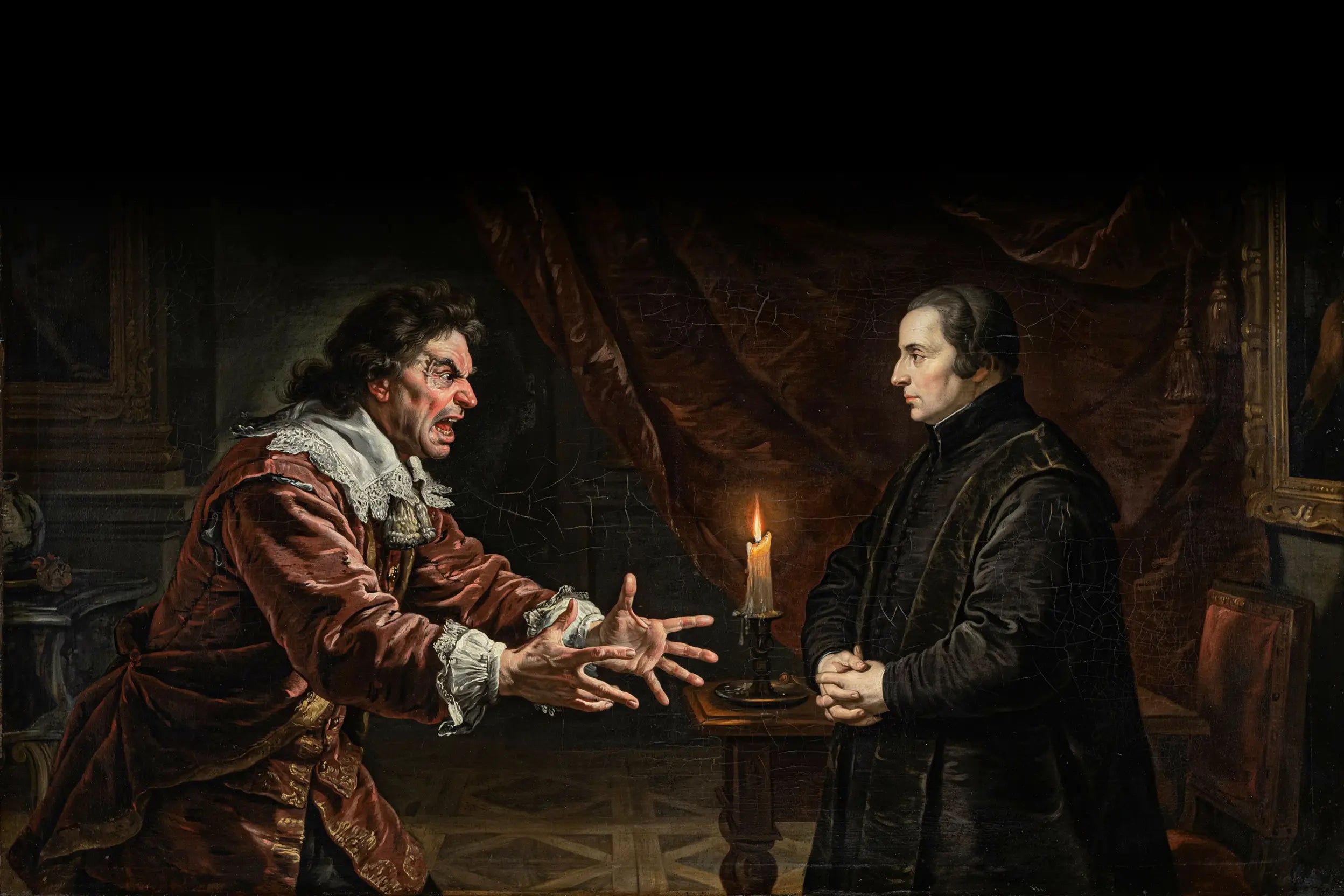
How To Manipulate a Narcissist
Why does this person make me feel like I'm losing my mind?
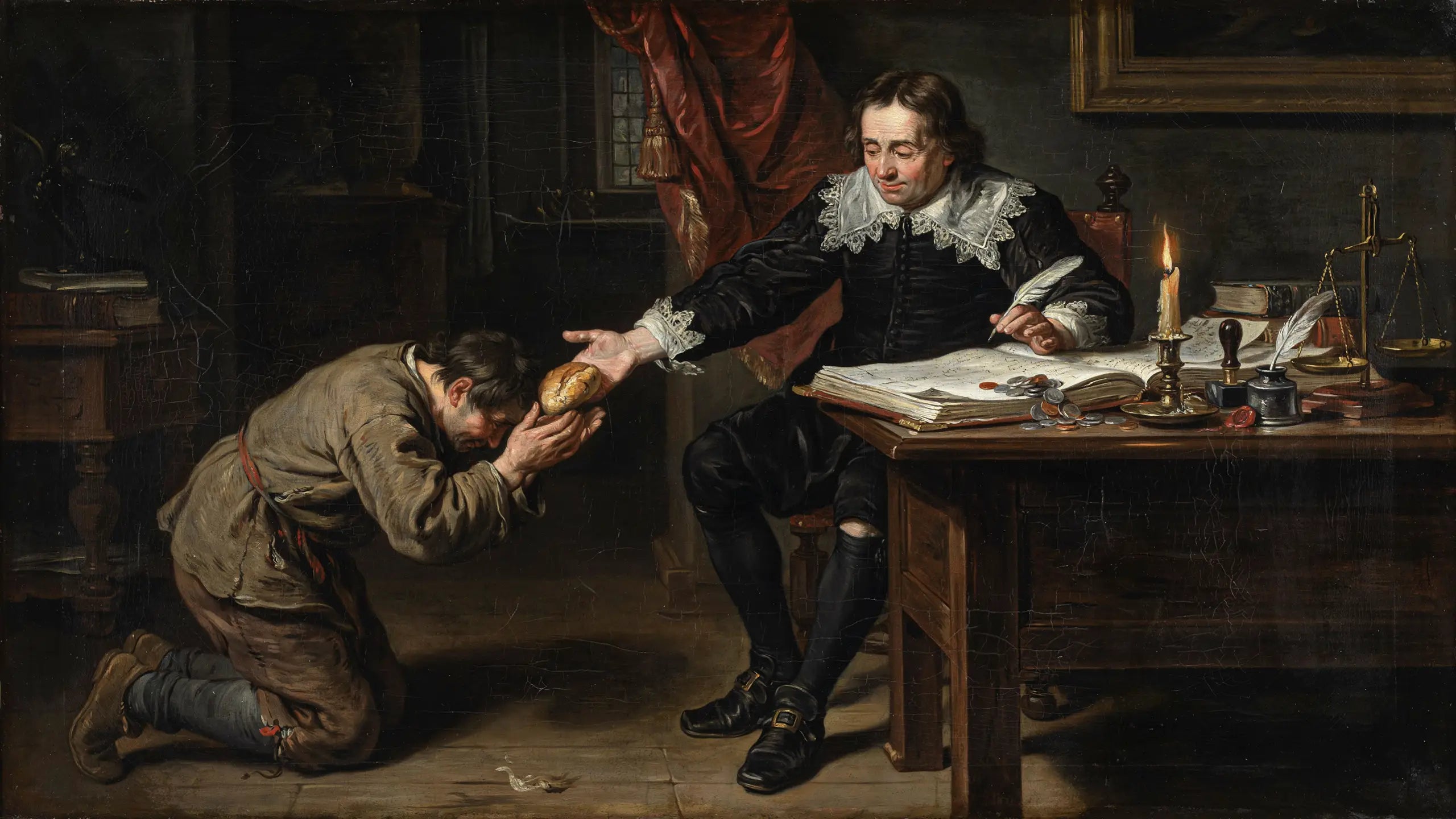
The Covert Narcissist: How to Recognize the Hidden Predator
The covert narcissist is dangerous precisely because the disguise is weakness.

Self-Sabotage: Why You Do It and How to Kill the Pattern
You don't lack discipline. You're running a program that trades your future for a small, guaranteed hit of safety.
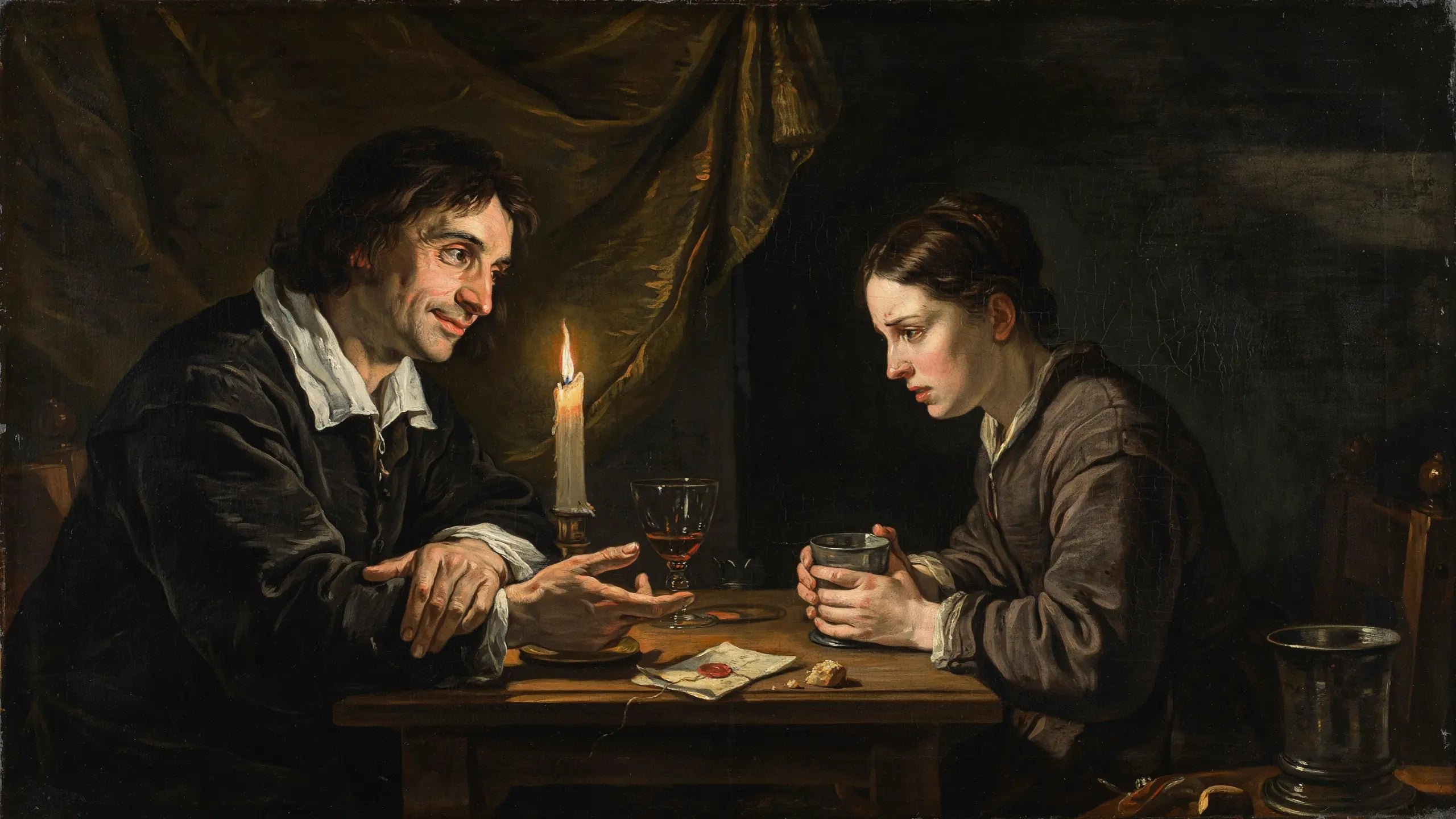
10 Signs of Manipulation (and the Counter for Each)
The ten tells a professional manipulator hopes you never learn, and the counter for each.
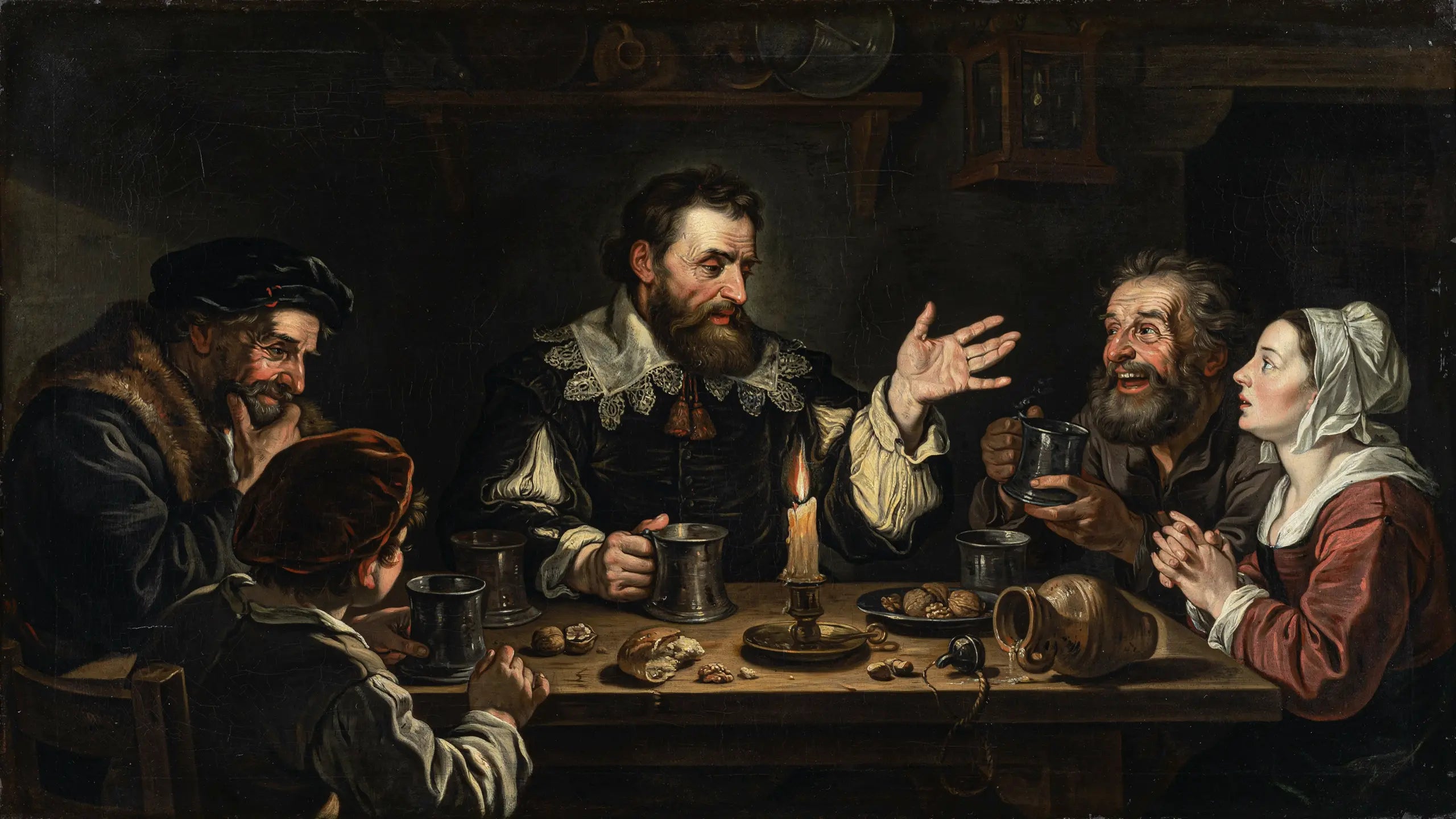
Dark Psychology: The Complete Guide (From Someone Who Used It)
What dark psychology actually is, from someone who ran the machinery for 23 years.
How to Deal With a Narcissist Without Losing Yourself
You cannot change a narcissist. You can become the person their tactics no longer work on.

The 9 Best Dark Psychology Books, Ranked by Someone Who Lived It
Nine dark psychology books ranked by someone who ran the plays for 23 years, and what each one will not tell you.
What Is a Dark Empath? Traits, Signs, and the Real Danger
The dark empath is dangerous precisely because empathy was supposed to be the safety feature.

The 12 Traits of a Narcissist and What They Reveal
Twelve traits, one mission: defending a self-image that must never be questioned.